Obesity affects around 1 in 8 adults worldwide (890 million people), and an estimated 1.5 million people in the UK are now using injectable weight-loss medications. These include semaglutide (Ozempic®, Wegovy®), liraglutide(Saxenda®, Victoza®) and tirzepatide (Mounjaro®, Zepbound®).
These medicines work by mimicking natural hormones that help control appetite, improve blood sugar levels and support weight loss. For many people, they significantly reduce the risk of heart disease, improve diabetes control and support long-term health.
As use becomes more widespread, eye specialists are carefully monitoring possible effects on vision.
Why regular eye examinations matter
1. Diabetic retinopathy (diabetic eye disease)
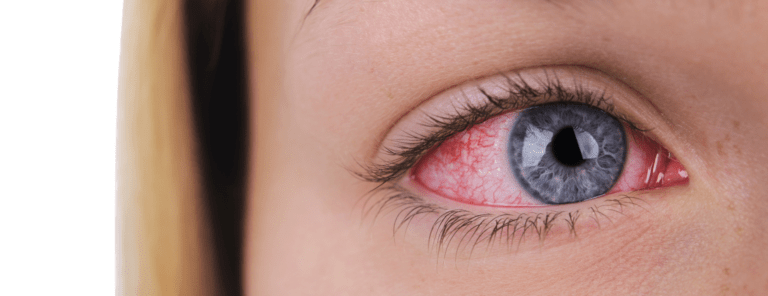
If you have diabetes, rapid improvements in blood sugar can occasionally lead to early worsening of diabetic retinopathy — a condition where high blood sugar damages the small blood vessels at the back of the eye (the retina).
In one large study, around 3% of patients taking semaglutide experienced worsening diabetic retinopathy over two years, compared with 1.8% on placebo. More recent data involving over 185,000 patients showed a small increase in new cases (2.7% over two years), but fewer serious complications overall.
The main risk appears to be in people who already have diabetic eye disease and whose blood sugar improves very quickly.
2. Rare optic nerve problems
A very rare condition called non-arteritic anterior ischaemic optic neuropathy (NAION) — caused by reduced blood flow to the optic nerve — has been reported. One study suggested a higher relative risk, but the overall number of cases remains small. The European Medicines Agency classifies NAION as “very rare.”
3. Macular changes
Some studies suggest a possible link with age-related macular degeneration (AMD), while others suggest potential protective effects. Research is ongoing.
4. Temporary visual symptoms
Short-term blurred vision or dry eyes may occur when starting treatment, often resolving within weeks.
Our advice
If you are using weight-loss injections:
– Tell your optometrist which medication you take and when you started
– Attend regular eye examinations, particularly if you have diabetes
– Seek urgent care if you notice sudden vision loss, distortion, flashes, floaters or dark shadows
These medications can be life-changing for overall health. Regular eye checks help ensure your vision remains protected too.
If you are considering weight-loss treatment or would like medical advice about injectable options, our GP team at Fleet Street Clinic can provide personalised guidance and assessment.
Learn more about weight-loss services at Fleet Street Clinic by clicking here.