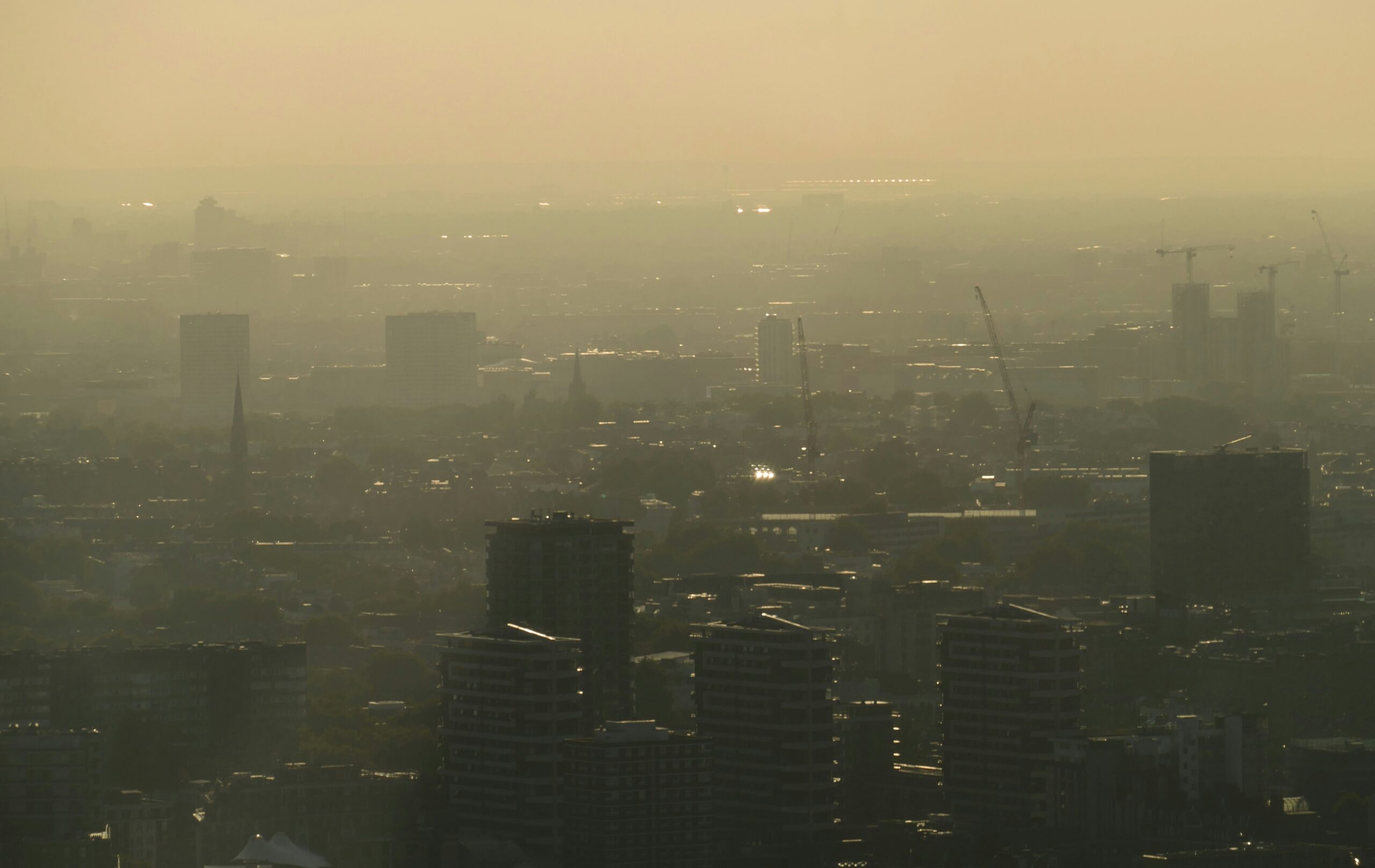
When people think about air pollution, they often think about its impact on the lungs or heart.
What many don’t realise is that the air we breathe may also affect our eyes.
Growing research suggests that exposure to air pollution could play a role in several eye conditions, including dry eye disease, age-related macular degeneration (AMD) and diabetic retinopathy. While research is still ongoing, the evidence is becoming increasingly difficult to ignore.
So, how can air pollution affect the eyes?
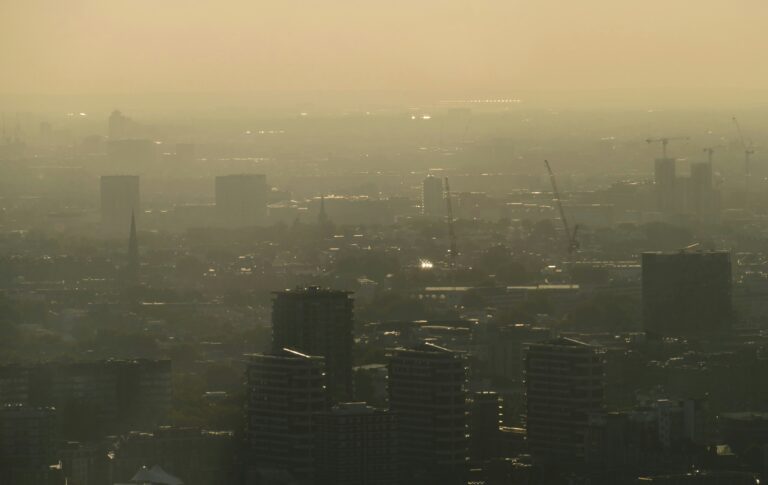
Tiny particles in polluted air, particularly fine particulate matter (PM2.5), can irritate the surface of the eye and may contribute to inflammation throughout the body.
Researchers believe this inflammation and oxidative stress could potentially affect delicate structures within the eye, including the retina.
Recent studies have reported associations between air pollution exposure and:
• Dry eye disease
• Age-related macular degeneration (AMD)
• Diabetic retinopathy
• Other retinal conditions
Research from the UK Biobank has also identified links between higher levels of air pollution and subtle changes in retinal structure visible on OCT scans.
Dry eyes and environmental exposure
Of all eye conditions, dry eye disease appears to be particularly influenced by environmental factors.
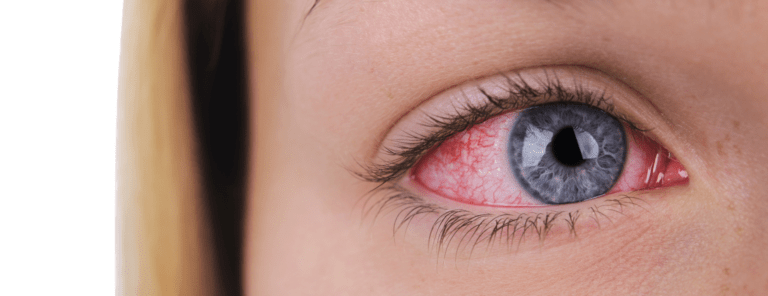
Exposure to pollutants such as traffic emissions, nitrogen dioxide (NO₂), carbon monoxide (CO) and particulate matter has been associated with a higher prevalence of dry eye symptoms.
Common symptoms may include:
• Burning or stinging eyes
• Grittiness
• Excessive watering
• Blurred vision
• Eye fatigue
While these symptoms are often dismissed as screen-related or simply part of getting older, environmental factors may also be contributing.
It’s not just outdoor pollution
When we think of pollution, we often picture busy roads and city traffic.
However, most people spend the majority of their time indoors.
Poor ventilation, cooking fumes, heating systems, cleaning products and other indoor pollutants can all affect air quality and potentially contribute to eye irritation.
What can you do?
While it isn’t possible to avoid pollution completely, there are practical steps that may help reduce irritation and support eye health:
• Keep indoor spaces well-ventilated where possible
• Take regular breaks from screens
• Stay hydrated
• Consider lubricating eye drops if recommended by your optometrist
• Wear sunglasses outdoors to help protect against environmental exposure
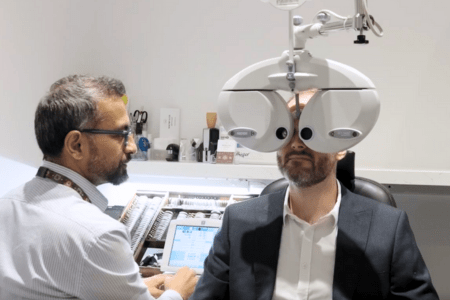
• Attend regular eye examinations
Looking after your long-term eye health
Air pollution is unlikely to be the only factor affecting eye health, but it may be one piece of a much larger picture.
As our understanding continues to evolve, it highlights the importance of taking a holistic approach to eye care, considering not only vision and prescription changes, but also lifestyle and environmental influences.
At Whitby & Co, we believe prevention is just as important as treatment. Regular eye examinations remain one of the best ways to monitor eye health and identify changes early.