How UV exposure affects your eyes (and why sunglasses matter)
Most people understand the importance of protecting their skin from the sun. But fewer realise that ultraviolet (UV) exposure can also have a long-term impact on eye health.
At Whitby & Co, we often speak to patients who are careful about sunscreen but have never considered whether their eyes are properly protected outdoors.
Just like skin, the eyes are vulnerable to UV damage, even on cloudy days.
What does UV light do to the eyes?
Ultraviolet radiation from sunlight can damage structures within the eye over time.
Excessive UV exposure has been associated with:
– cataracts
– photokeratitis (“sunburn of the eye”)
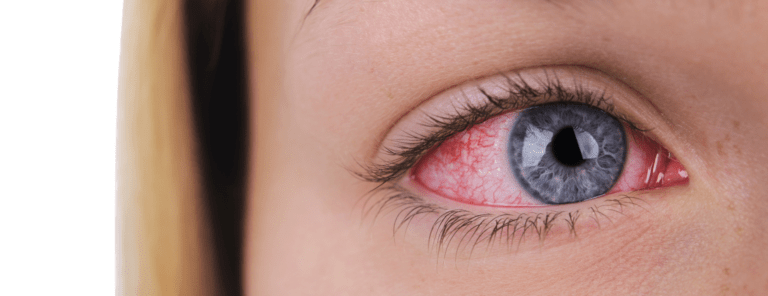
– irritation and dryness
– long-term retinal damage
Symptoms are not always immediate, which is why protection matters even when your eyes feel fine.
Why sunglasses are more than an accessory
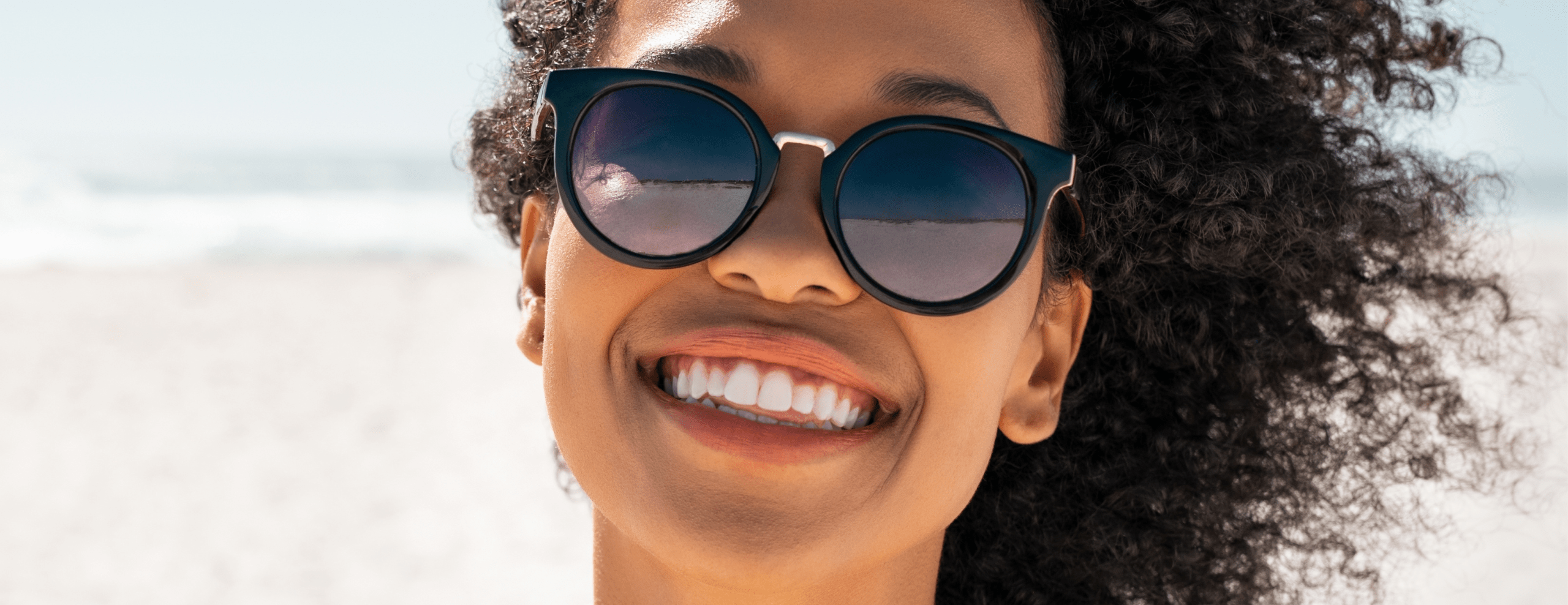
Good-quality sunglasses do far more than reduce brightness.
UV-protective lenses help shield the eyes from harmful radiation and reduce glare, particularly during:
– driving
– outdoor exercise
– holidays abroad
– time spent near water or reflective surfaces
Children’s eyes can also be more vulnerable to UV exposure, making protection especially important during summer months.
Summer can worsen dry eyes and irritation
Warm weather, air conditioning, travel and increased screen use can all contribute to dry, irritated eyes.
Common symptoms include:
– stinging or burning
– blurry vision
– watery eyes
– eye fatigue
– discomfort when wearing contact lenses
Many people assume these symptoms are simply part of summer, but they can often be improved with the right advice and lens choices.
Eye examinations are about more than vision
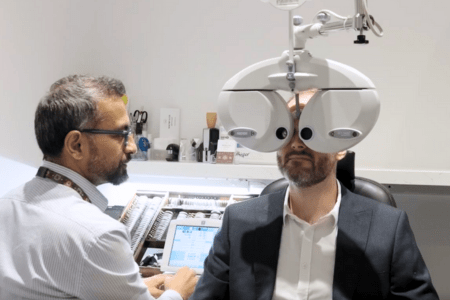
Routine eye examinations do more than assess whether you need glasses.
They also allow optometrists to monitor overall eye health and detect early signs of conditions affecting the eyes.
Regular eye examinations are an important part of preventative healthcare, particularly for people spending long periods outdoors or on screens.
Choosing the right sunglasses
Not all sunglasses provide adequate UV protection.
When choosing sunglasses, we recommend you look for:
– UV400 protection
– high-quality lenses
– appropriate coverage
– comfort for regular wear
Polarised lenses may also help reduce glare and improve visual comfort in bright conditions.
Protecting your eyes from UV exposure is an important part of long-term eye health.
Simple changes such as wearing properly fitted UV protective sunglasses and attending regular eye examinations can help reduce avoidable damage over time.
At Whitby & Co, our team provides personalised advice on eye health, UV protection and visual comfort throughout the year.